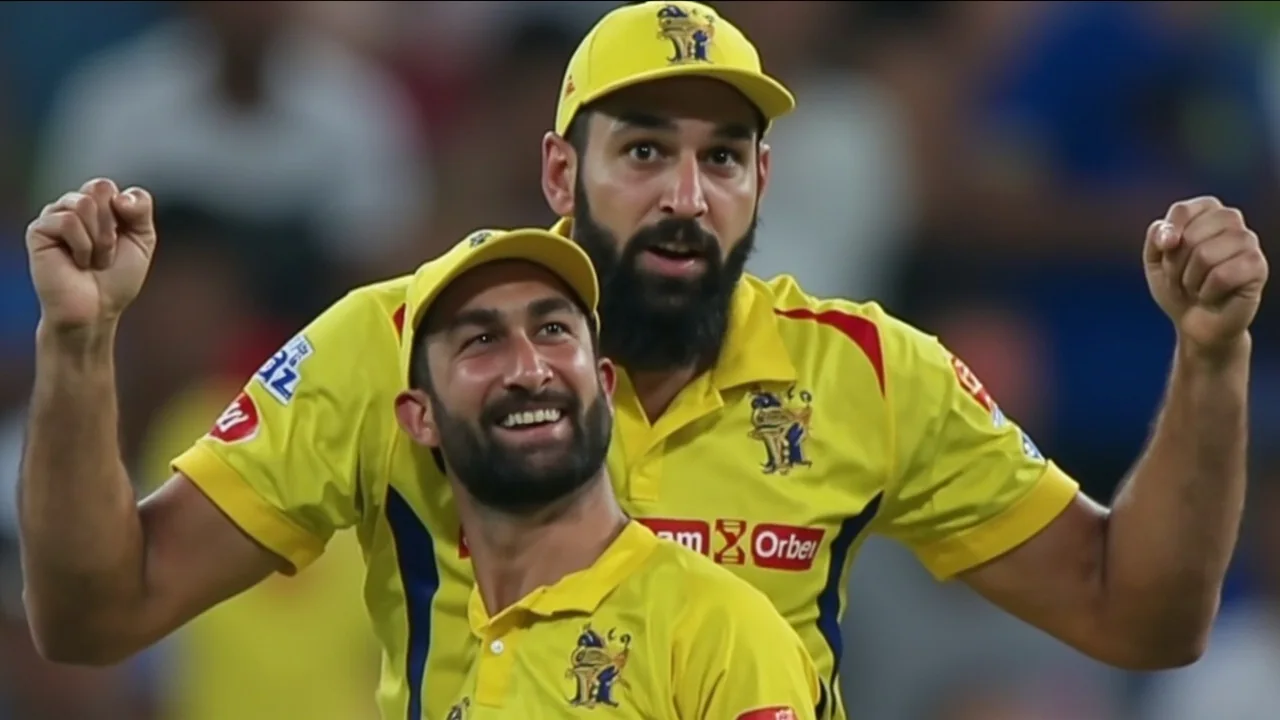
Chennai Super Kings finished eighth on the IPL 2026 table, winning only six of fourteen league matches and missing the playoffs for a third straight season — the first time in the franchise's history that a multi-year playoff absence has stacked up. The result clears the way for what is effectively a squad rebuild before IPL 2027, with the first concrete step being a short fitness camp for the players still on the franchise's books.
The camp itself is narrow in scope: a two-to-three day programme for whichever players are available, run before the franchise announces its retentions, releases and trades. Revsportz journalist Rohit Juglan reported the schedule over the weekend, and the report has since been picked up by other cricket-news outlets. The camp functions as a fitness and medical checkpoint — a chance for the support staff to assess workload, injury status and readiness before the franchise commits to keeping, releasing or trading any individual.
The timing matters because IPL retentions and releases operate on a deadline. Once those decisions are filed, they are difficult to reverse — release decisions carry an auction purse impact, retention decisions bind a guaranteed salary, and trade agreements move salary and player rights in a single step. A fitness run-through before that deadline gives the management a current physical baseline to attach to each call.
Why the rebuild is the largest in franchise history
The 2023 title remains Chennai's most recent IPL trophy, and the three seasons since have produced no playoff appearances. In normal franchise cycles that record would still count as a slump; in CSK terms it is unusual enough to reset expectations entirely. The franchise has historically leaned on a stable senior core, a defined batting order and a particular captaincy template. The current picture is different on all three fronts.
Stephen Fleming's exit is one of the structural changes around the camp. The franchise and the head coach mutually parted ways after IPL 2026, ending a tenure that ran roughly eighteen years on and off and included five IPL titles and two Champions League T20 trophies. A coaching change of that weight doesn't happen in isolation — it usually signals a broader reset in approach, not a single-season tweak.
Big-ticket buys under review
The two most expensive auction purchases from IPL 2026 — Kartik Sharma and Prashant Veer, each signed at ₹14.20 crore — are reportedly under internal review because their output has not matched the price. Reports framed the review as part of a broader reassessment rather than a final call, but the size of the contracts means even a partial adjustment has significant purse consequences.
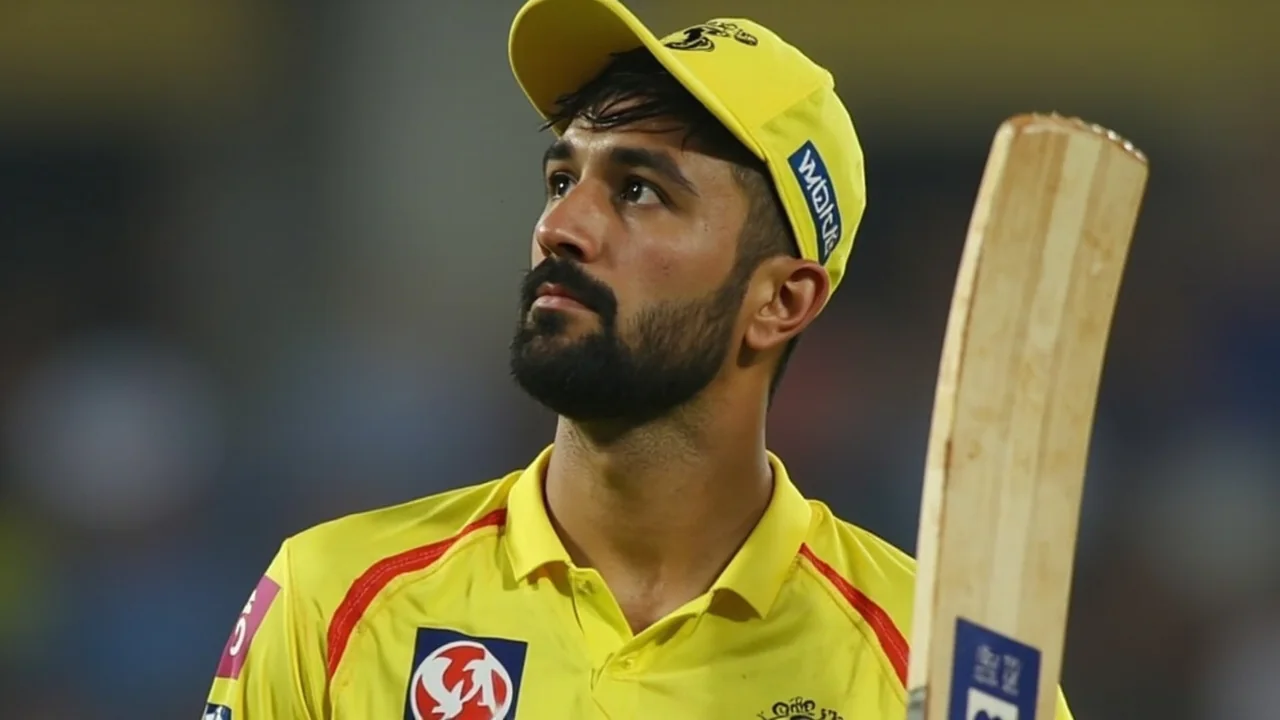
The implications for fantasy players are worth noting before the cycle closes. A player who was bought at ₹14.20 crore and retained carries that price tag into the next season — which affects how IPL franchises use the retained player (often as a fixed XI pick regardless of recent form) and how fantasy players should read the auction tables later. If a high-price asset is released instead, that purse space is recycled into the auction pool and the franchise will look for replacements at a different price point. Either outcome moves the fantasy landscape; the camp itself is unlikely to be the deciding moment, but the decisions that follow it will.
Players linked with release
Reports have named Rahul Chahar, Matt Henry and Matthew Short as candidates the franchise could release as it reshapes for IPL 2027. None of the names is finalised — release lists are typically firmed up only after the camp concludes and the support staff have given a read on each player's workload history and fitness — but the names are concrete enough that fantasy players can prepare scenarios.
For Rahul Chahar the question is whether wrist-spin depth at the franchise is enough. Matt Henry's situation depends on whether the franchise wants overseas seam-bowling variety and on whether other overseas players are tied up by central contracts. Matthew Short's profile as a batting all-rounder with off-spin offers something different, but his 2026 role was not consistent and that inconsistency tends to accelerate release decisions at this point in a rebuild.
Trade chatter across the league
The more speculative strand of the reporting — and the part fantasy players should treat carefully — involves trade frameworks between Chennai and Mumbai Indians. The chatter has linked Hardik Pandya to a swap that would also touch Shivam Dube, Ayush Mhatre and Dewald Brevis in different combinations. No trade has been confirmed by either franchise, and a deal of that scale would require clearance from the IPL's central contracts framework, salary-cap calculations and each player's own consent.
The framework to track is straightforward: a trade moves a player from one franchise's roster to another's, with salary adjustments on both sides. The fantasy-relevant variables are role continuity (does the player keep the same role?), batting position in the order, and the partner-player who arrives in return. If a deal does go through, the fantasy impact will come from the role changes that follow, not from the headline names alone.
What the camp actually measures
A short fitness camp is not a trial match — the franchise already knows each player's skill ceiling. What a camp gives the management is a current physical baseline. That's relevant for retention calls because a multi-year deal assumes the player can still deliver for the length of the contract; a borderline fitness result can turn a "retain" into a "release" overnight. It's relevant for trade calls because a player heading into a trade is more attractive if he passes a medical without flags. And it's relevant for auction decisions because an incoming player has to clear a medical before signing.
For readers who track fantasy implications across the IPL, the camp and the announcement sequence that follows are the most important near-term news from the franchise. A useful habit is to wait until the official retention/release list is published before reshuffling any fantasy portfolio: reporting before that point carries a wide margin of error and trades in particular can collapse mid-negotiation. The wider context for how the IPL cycle works at this stage of the year — the deadlines, the purse mechanics, the role continuity — is set out in the broader IPL primer and reference.
Reading the timeline
The realistic sequence, based on how recent IPL cycles have run, looks like this: fitness camp first, retentions filed shortly after, releases filed on the same window, trade discussions resolved either before or after that filing, and then the auction itself once the purse maths is settled. Each step narrows the field. A player who is at the camp and then named on the retention list is confirmed for IPL 2027; a player at the camp but absent from the retention list is on the release path; a player not at the camp at all is effectively already traded or released.
The camp itself is a small story. The retention and release list that follows will be the bigger one. Fantasy players who watch the IPL closely should plan around that sequence rather than around the camp — the camp closes a window, the announcement opens one.
How to verify the next announcement yourself
Retentions, releases and trades are not always confirmed on the same channel. The IPL's central broadcaster and the franchises each publish their own lists, often with timing differences of hours or occasionally a day. Trade specifics in particular — the salary split, the players exchanged, the window for any add-on — usually appear first on a credible beat reporter's social feed before they reach the official channels. For readers who want to verify the next announcement, three checkpoints help: the franchise's verified social accounts, the IPL's official handle, and a credible beat reporter's reporting carried by a news outlet. Comparing the same fact across two of those three before reshuffling any fantasy portfolio is a sensible rule of thumb.
A related habit is to read the announcement in full before acting on it. Retention lists often include salary-cap implications and conditional clauses; release lists typically come with auction-eligibility notes; trade announcements are sometimes layered (player A for player B, with a cash adjustment and a player-option swap). The full text matters, especially when the headline name is the only data point that travels on social media.
What to watch for next
The single most informative next event is the official retention-and-release filing window, which the IPL typically aligns before the next auction cycle. The camp, when it concludes, will be followed by the franchise's call on each player on the books. After that the trade window opens and the auction purse math becomes public. Until those steps land, the camp itself is best read as a single data point — fitness baseline established, decisions pending — rather than a verdict.