Editorial desk online Independent · Not affiliated with Dream11 Last reviewed: 21 Jul 2026

Responsible play: limits, stop signals, self-exclusion.

Verified: 21 Jul 2026Editorial review: Dream11 Today deskAudience: Every player

Independent guidance on staying in control of your fantasy spending — deposit caps, time-boxing, stop signals, self-exclusion and where to get help.

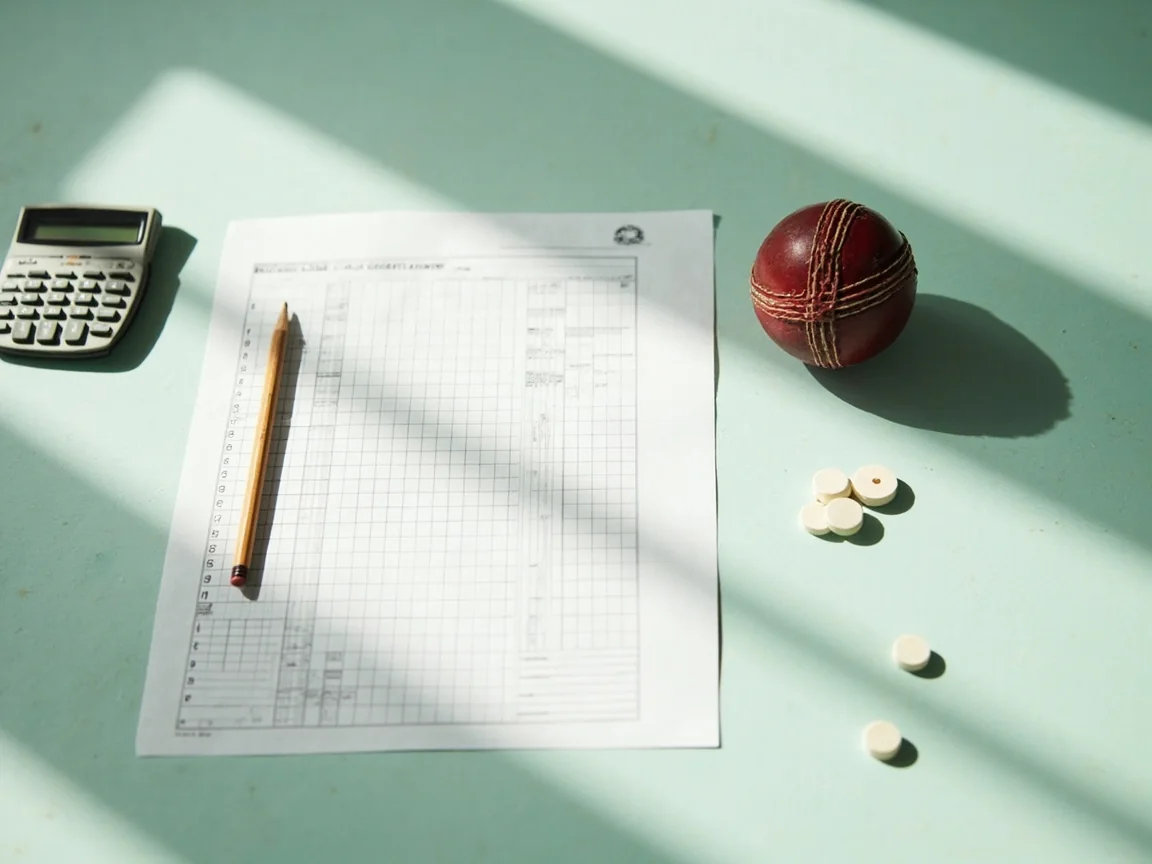
Adult setting phone face down beside a wristwatch and notebook.

Real-money fantasy is entertainment. Like any paid entertainment — restaurants, concerts, subscriptions — it works when it stays inside a budget you have set in advance. It stops working the moment the spending exceeds what you can afford, or the moment you find yourself playing to recover losses rather than for entertainment.

The responsible-play guide is the most important guide on the site. Read it before your first deposit, and re-read it after every month of play.

The four controls every player should set

1. A hard monthly deposit cap

Decide the maximum you are willing to deposit in a calendar month, before you open the app. Most operators let you set this limit inside the app; honour it. The cap is not a target; it is a ceiling.

2. A daily time limit

Decide the maximum minutes you will spend on the app per day. Use your phone's screen-time controls if needed. The point is to prevent the slow drift from "20 minutes" to "two hours" that no one notices happening.

3. A contest-entry budget per match

Decide the maximum you will spend entering contests for any single match, before the team research starts. This number is typically smaller than the monthly cap because it prevents a single bad match from consuming the whole month's entertainment budget.

4. A "skip" rule for bad days

Decide the conditions under which you will not play today. Tired, stressed, post-loss, post-celebration, angry, sad. The list is yours; the rule is non-negotiable.

Stop signals: when to take a break

The single biggest predictor of harm from real-money gaming is chasing losses — increasing deposits or stakes after a losing streak in an attempt to recover. The honest answer: chasing almost always makes the situation worse. If you find yourself doing it, that is the signal to stop, not to deposit more.

Other stop signals:

  • Hiding your playing or your spending from family or friends
  • Borrowing money to deposit
  • Skipping work, school or family obligations to play
  • Feeling anxious, irritable or guilty after playing
  • Playing to escape a problem rather than for entertainment

Self-exclusion

If you want a forced break, the operator offers self-exclusion: a period during which the account is locked and cannot be reactivated. Common windows: 30 days, 6 months, 1 year, or permanent. Self-exclusion is set inside the app or via the operator's support channel. Treat it as a serious commitment — reactivation is rarely available before the exclusion period ends.

Where to get help

If you or someone you know is struggling with real-money gaming, several organisations offer free, confidential support:

  • iCall (TISS Mumbai): a helpline offering free counselling across India
  • NIMHANS: the National Institute of Mental Health and Neurosciences operates a behavioural-addiction support service
  • Your general practitioner: a brief, non-judgemental conversation with a doctor is the most useful first step

This site is not affiliated with any of these organisations and does not provide medical or psychological advice. The links above are starting points; reach out.

The platform's own tools

The operator offers deposit caps, contest-entry limits, session reminders, time-outs and self-exclusion inside the app. Set the deposit cap on day one; revisit the others quarterly. The tools are not a substitute for your own discipline, but they provide a useful backstop when discipline slips.

If you have decided to stop entirely

The delete-account guide walks through the official closure path, what the operator retains and how to handle pending balances. Self-exclusion is a better answer if you want a temporary break; full deletion is a better answer if you have decided you will not return.

The honest summary

Real-money fantasy is a form of paid entertainment that involves variance and the risk of loss. No honest publication can promise a profit. Treat any contest entry as spent money; set your deposit cap before you start; step away the moment the experience stops being fun. If the platform stops working for you, the steps above are how you opt out cleanly.


Set the cap, then re-read after every month.

Deposit caps, time-boxing, stop signals and self-exclusion. Pair with the legality guide and the closure guide.

What "self-exclusion" really does

Self-exclusion is the strongest tool the operator offers. When you activate self-exclusion for a chosen period (30 days, 6 months, 1 year or permanent), the platform disables deposits and contest entry on your account for the duration. You cannot reactivate the account before the exclusion period ends — even if you ask nicely. This is intentional: the design is built to prevent the impulsive reactivation that often follows a request for help. The exclusion also typically removes your name from the operator's marketing list, which removes a major channel for temptation.

The deposit cap as a defence

The deposit cap is the most useful everyday tool. Once you set a monthly cap inside the app, the platform refuses deposits beyond the cap. The cap is a ceiling, not a target; you can still choose to deposit less. The cap is also a guard against the worst kind of mistake: depositing more than you can afford in a single impulsive moment. Set the cap on day one; revisit it quarterly.

Recognising the warning signs in yourself

The honest warning signs: hiding your playing or your spending from family or friends; borrowing money to deposit; skipping work, school or family obligations to play; feeling anxious, irritable or guilty after playing; playing to escape a problem rather than for entertainment; thinking about the next contest during unrelated activities. If you recognise two or more of these patterns in your own behaviour, please reach out to one of the support organisations listed above. The recognition itself is a useful signal; the action you take after the recognition is what matters.

Recognising the warning signs in someone else

If you suspect someone close to you is struggling with real-money gaming, the most useful thing you can do is have a calm, non-judgemental conversation. Do not threaten, do not confiscate, do not lecture. Use "I" statements ("I noticed you seem stressed after matches") rather than "you always" statements. Offer to help them set a deposit cap or activate self-exclusion. If they refuse help, the support organisations above can advise you on next steps. The most important thing is to keep the conversation open; recovery is rarely a single conversation.

Editorial addendum: a closing reflection

This guide is part of the Dream11 Today editorial library, an independent publication not affiliated with Dream11, Dream Sports or any real-money gaming operator. The desk's purpose is to publish research-first, evidence-led guides that help Indian adults decide whether real-money fantasy fits their situation and, if so, how to navigate the platform's product, legal and account flows with as few avoidable mistakes as possible.

Every guide on this site follows the same editorial standards: claims are sourced where they are not common knowledge; volatile information (bonus terms, scoring rules, legal status) carries a "verified on" stamp and is reviewed within 30 days; commercial links carry rel="sponsored nofollow" and an adjacent disclosure; and the editorial position is unaffected by commercial relationships. The standards apply equally to the most casual beginner guide and to the most technical APK safety walkthrough.

If you have read this far, you are already doing the editorial work the desk exists to encourage. The next step is to apply what you have read: set a deposit cap on day one; bookmark the operator's official channels; bookmark the responsible-play page; keep a notebook of every contest; re-read the standards after every month of play. Habits compound; predictions do not.

For corrections, sourcing questions or disclosure queries, use the contact page. We aim to respond within seven working days. For product support, use the operator's in-app flow (Help → Contact support) — the desk does not have access to the operator's account systems and cannot resolve product issues.

Finally, a reminder: real-money fantasy is entertainment, not income. The platform's rake structure means the average player loses money over time; no honest publication can promise a profit. Treat every contest entry as spent money; set a hard monthly cap; step away the moment the experience stops being fun. If the platform is no longer working for you, the responsible-play guide explains how to opt out cleanly.

A first-day setup checklist

  1. Set the monthly deposit cap

    Open the app, go to responsible-play tools, set the cap before your first deposit.

  2. Set the daily time limit

    Use your phone's screen-time controls to enforce the limit.

  3. Set the contest-entry budget per match

    Decide the maximum per match before team research starts.

  4. Write down your "skip" rule

    The conditions under which you will not play today — tired, stressed, post-loss.

  5. Bookmark this page

    Re-read it after every month of play; the standards apply equally every month.

  6. Know the support organisations

    Save the contact details for iCall, NIMHANS and your GP; you may need them.

PLAY NOW