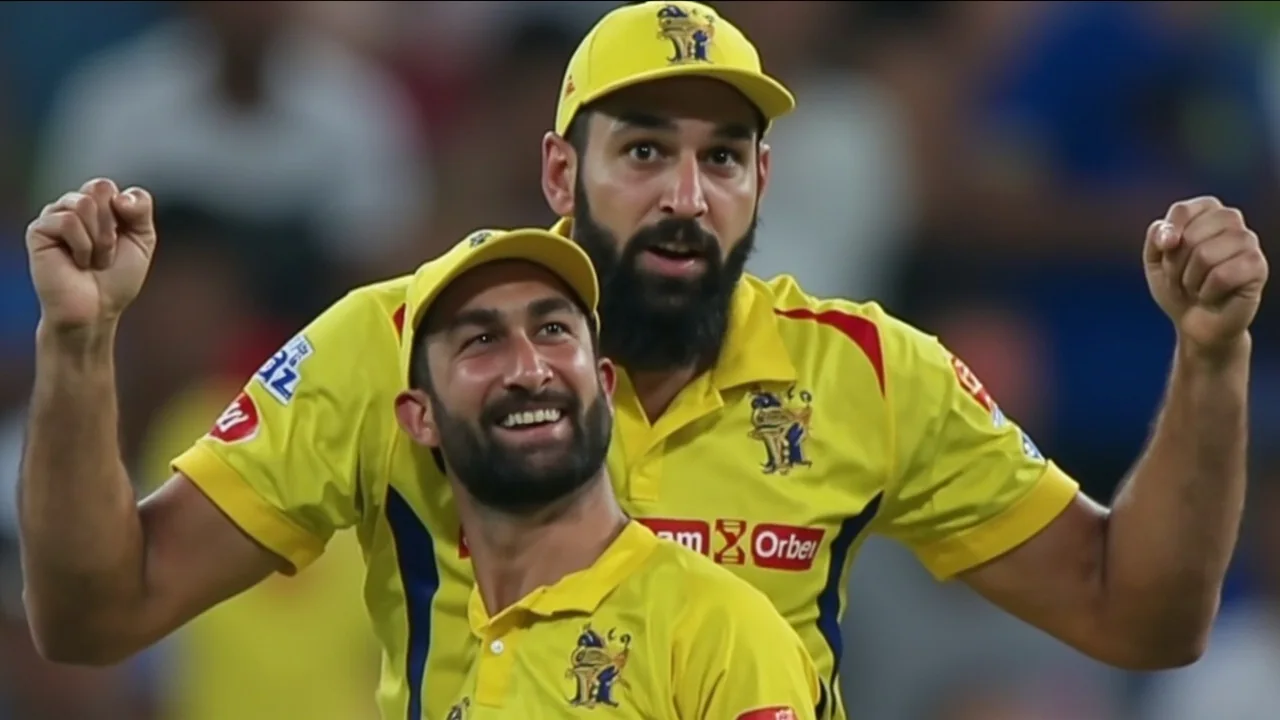
The IPL is a T20 franchise cricket league held annually in India. Each franchise plays a round-robin followed by playoffs. From a fantasy perspective, the IPL is structurally different from international cricket: shorter match windows, dense fixture lists, larger squad rotation, and a captaincy calculus that depends heavily on the venue and the opponent. The guide below documents the format context, the venue index and the role categories that matter most for fantasy decisions.
Format context
The IPL runs over roughly two months each year, with most teams playing 14 league matches plus potential playoff matches. Squad sizes are typically 22–25 players, with 11 in the playing XI and the rest available for rotation. This dense fixture list is the single most important structural difference from international T20 — it means role players who bat at No. 3 or No. 4 and bowl a couple of overs are disproportionately valuable, because their workload gives them more chances to score fantasy points.
Venue index
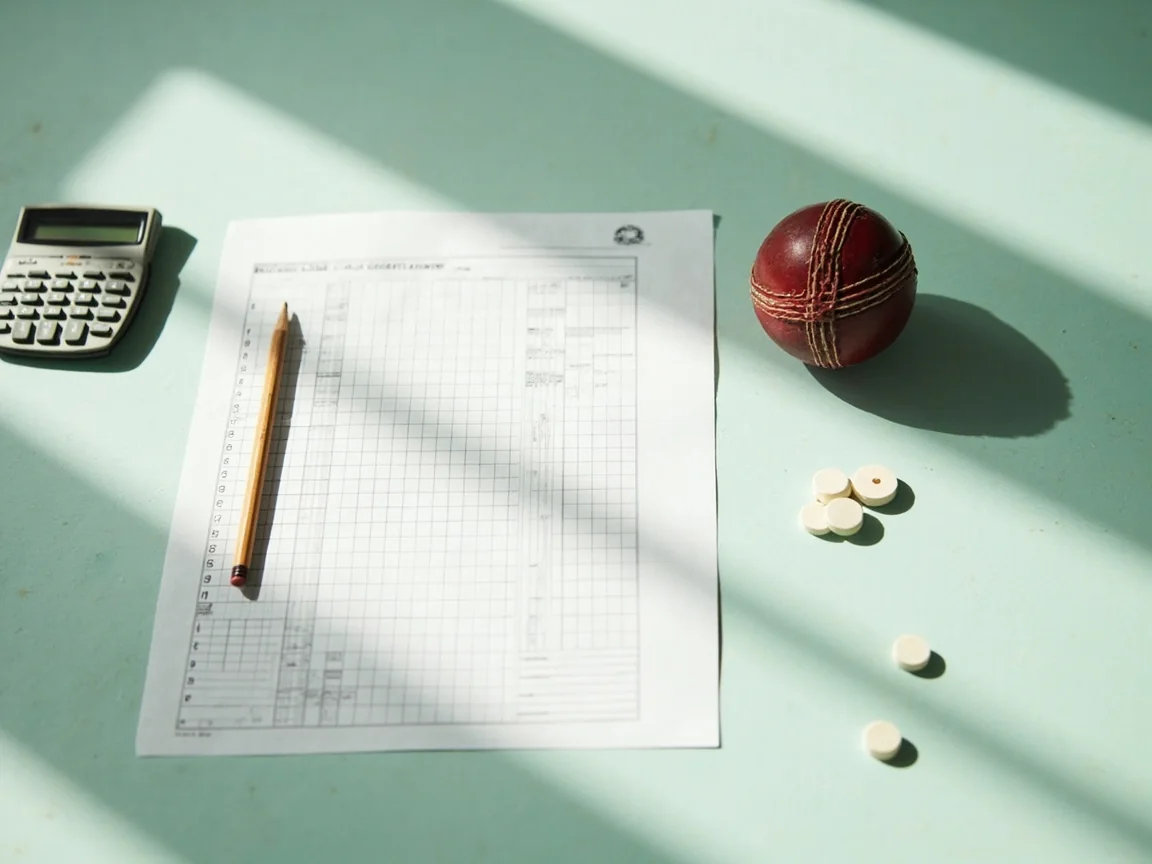
Each IPL venue has a character: dimensions, surface tendency, dew window and average first-innings score. The venues change from season to season (the league sometimes adds new grounds), so verify against the current season's fixture list before relying on a venue's reputation. The single most useful habit is to keep a small notebook of each venue's last three results, surface colour and weather window — the pattern over three matches is more useful than the pattern over three seasons.
Role categories for fantasy
IPL roles are conventionally labelled: openers, top-order batters, middle-order batters, finishers, all-rounders, specialist bowlers (pace or spin), and wicket-keepers. From a fantasy perspective the most valuable players are usually all-rounders — they score in two roles and therefore have more chances to contribute. The trap is overpaying for a star all-rounder in salary-cap contests when a less-followed all-rounder with similar workload fits better.
Season-long research routine
Build a venue-by-venue notebook
For each IPL venue, note the last three results, surface colour and dew pattern.
Track each player's role week to week
IPL squads rotate. A player who opened last week might bat at No. 5 next week; the captaincy calculus changes.
Build a captaincy candidate set per team
For each of the ten franchises, identify two or three plausible captain picks with reasons.
Review after each matchday
Your notebook is the audit trail. After ten matches, the notebook reveals patterns memory hides.
What this guide deliberately avoids
- Invented fixtures — always verify against the official IPL site and the broadcast partner
- "Winning teams" — no honest source can publish them
- Ownership percentages that we cannot verify against a third-party tracker