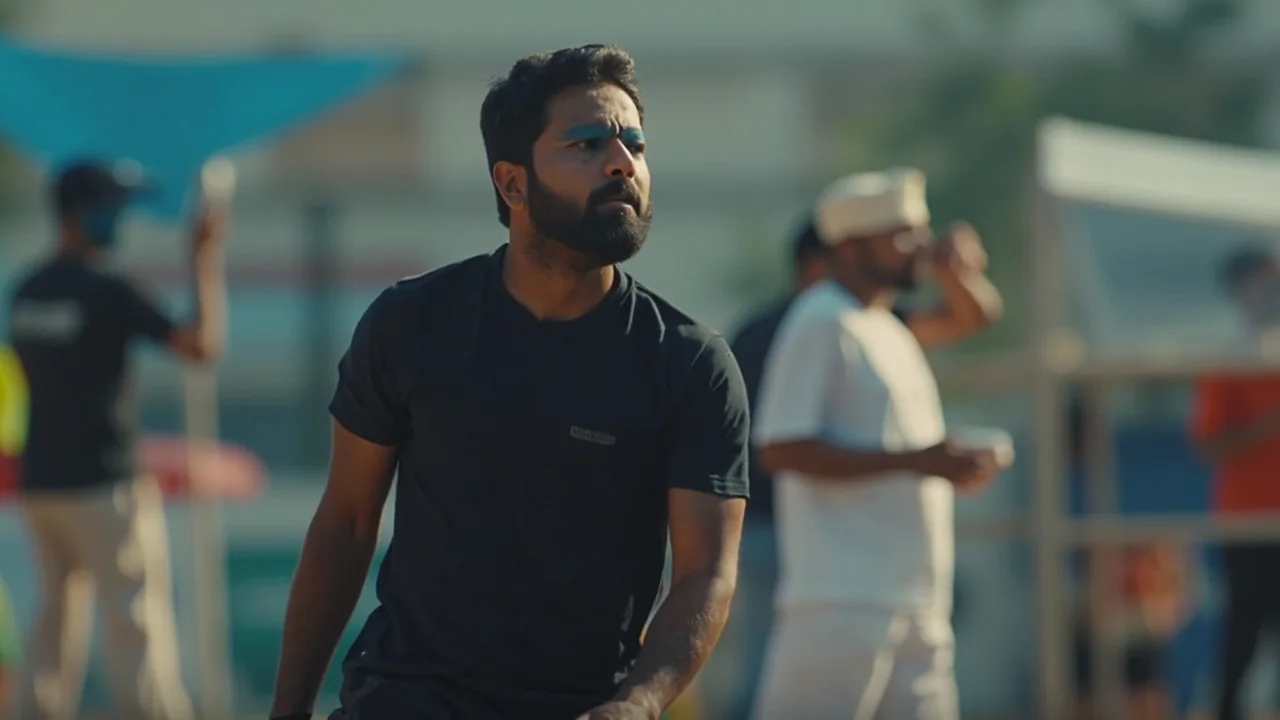
The fixture sits at the intersection of two simple facts. Aries Kollam Sailors open the home stretch of their KCL 2026 campaign, and Kochi Blue Tigers arrive as the side that beat them in the previous final by 75 runs. The 71/29 win-probability split on Cricketwebs reflects that combination. Sailors are slight favourites on home conditions, Tigers carry the title defence into the second match of a new season. The interesting question is not who the favourite is, but which conditions favour them, and which captaincy call survives those conditions if the toss goes either way.
The fantasy read below is built around four lines that travel together: the venue and dew profile at Greenfield International, the published probable XIs, the toss case and the captaincy shortlist. Each is treated as a separate check. The four together produce the desk's read on the fixture, which is then paired with the wider match prep framework on the Fantasy Match Prep guide so the routine carries across the rest of the KCL season.
Set the conditions first: Greenfield International at 7:45 PM
Evening T20s in Thiruvananthapuram in late August carry three conditions worth weighting before any squad filter. The first is the surface. Greenfield International is typically a true, even-bounce surface with enough carry for the new ball to move in the first two overs, and enough grip for slower bowlers from the seventh over onwards. The second is the boundary size. Square boundaries on the shorter side, straight on the longer side. That gives batters a clear scoring corridor square of the wicket without making straight hitting risk-free. The third is the dew window. By the tenth over in a 7:45 PM start, measurable dew tends to settle on the outfield, and the second-innings chase becomes the higher-ceiling script for batters who bat through.
The Cricketwebs forecast for Thursday evening is warm and humid: 25 to 29°C, high humidity, moderate wind and a possible rain threat. None of those numbers is severe enough on its own to threaten playing time, but the rain threat is worth flagging because a brief interruption mid-innings is far more disruptive at this venue than a wet outfield at the start. The desk's read on the rain risk is interruption-likely rather than washout-likely, and the fantasy frame should treat any resumption as a small reset to the chase equation rather than a complete rewrite.
The predicted totals for the fixture are 140-plus if Aries bat first, 136-plus if Kochi bat first, and a competitive band of 140 to 155 across both scenarios. Those numbers sit below the 170-plus range that tends to dominate day-night T20s at flatter venues, which says two things at once: the surface rewards bowlers who land their lengths, and the chase under dew remains the higher-ceiling script. A first-innings total of 145 is competitive at Greenfield; a first-innings total of 165 is competitive only if it is defended under pressure, which the dew makes harder rather than easier.
Why the previous final still matters
Kochi Blue Tigers enter this fixture as defending champions. The relevant historical fact is the previous KCL final, which Kochi won against Aries Kollam Sailors by 75 runs. A 75-run margin in a T20 final is not a close contest; it is the kind of result that resets a head-to-head ledger and travels into the next meeting as a confidence anchor for the winner. The defending champion, by definition, has the longer recent memory of how to win this fixture, which is exactly the kind of contextual fact that should sit on the fantasy notebook before any player-by-player read.
The last-edition stat lines reinforce that anchor. Vinoop Manoharan led Kochi's run-scoring with 414 runs and is the batter most likely to anchor a chase on a dew-affected surface. KM Asif led Kochi's bowling with 16 wickets and is the bowler most likely to break a top-order partnership in the Powerplay. On the Sailors side, Sachin Baby led the run-scoring with 311 runs and AG Amal led the bowling with 17 wickets. Those four names are the shape of last season's form, not a forecast for this season. In a format where one batter and one bowler usually decide a contest, they are also the four names to watch when the squads are confirmed.
The probable XIs and where the role overlap sits
The published squad lists in the Cricketwebs pre-match are 19-a-side on both sides, which means the final XI is a 19-to-11 trim that has to clear three filters: role balance (typically seven batters, four bowlers and one wicketkeeper, or six batters, five bowlers and one wicketkeeper), spin or seam weighting against the surface, and form carryover from the last edition. The trim is where most fantasy misreads start, because the squad list looks settled until a late swap pushes a different bowler into the XI.
Aries Kollam Sailors' squad, as published: N.M. Sharafuddeen, Abhishek J. Nair, Pawan Raj, Vijay Viswanath, MD Nidheesh, Anand Krishnan, Ajnas M, Mohammed Ishaque, Midhun S, Vathsal Govind, Arun Paulose, Ashik Muhammed, Amal AG, Sachin PS, Preethish Pavan, Amal Ramesh, Akhil KG, Monu Krishna and Arjun Venugopal. The fantasy-relevant role tags from last season sit on Sachin Baby (top-order run anchor), AG Amal (lead wicket-taker, 17 wickets) and the seam slot that has historically gone to a frontline pacer at Greenfield. The most likely XI pattern is to retain the Sachin Baby / AG Amal core and fill around it with two seamers, a wrist-spin option and a keeper-batter.
Kochi Blue Tigers' squad, as published: Saly Samson, Mohammed Ashiq, Basil Thampi, Asif KM, Alfi Francis John, Sachin Suresh, Jerin PS, Vinoop Manoharan, Midhun PK, Vipul Shakti, Karthik B Nair, Anish Rajan, Jobin Joby, Muhammed Shanu, Manu Krishnan, Eden Apple Tom, Anandhu Sunil, Akshay Chandran and Adhi Abhilash. The fantasy-relevant anchors are Vinoop Manoharan (lead run-scorer, 414 runs), KM Asif (lead wicket-taker, 16 wickets) and Basil Thampi, who is the experienced seam partner in the death-over pair the published preview specifically flags. The most likely XI pattern is to keep that trio together and build a chase-friendly middle order around Vinoop, with the spin slot going to an off-spin option that can bowl into the wind.
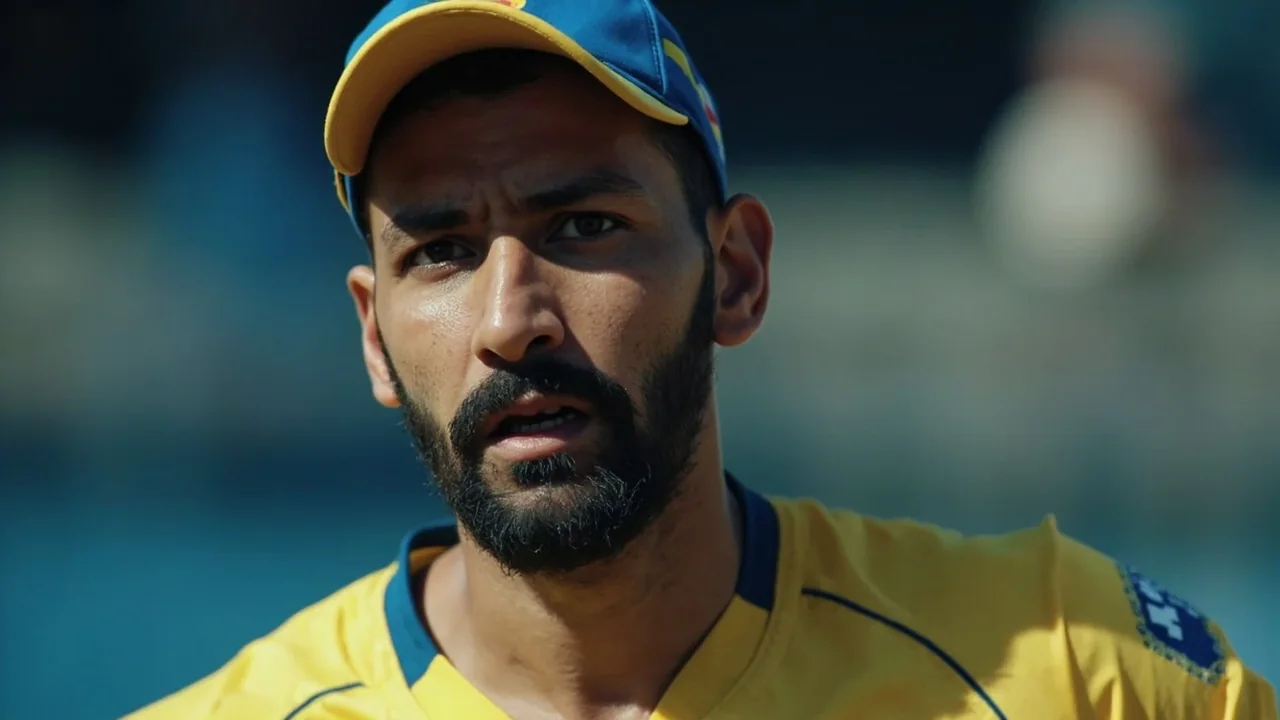
The role overlap worth flagging is in the seam-bowling allrounders. Both squads have at least three names who can bat in the top seven and bowl four overs; at a venue where the captain needs six bowling options, that overlap forces a choice between batting depth and bowling variety. The fantasy read is that whichever side picks the batting depth wins the chase under dew, and whichever side picks the bowling variety wins the Powerplay. The captain's call after the toss will lean one way or the other, and the playing XI has to be re-read once that call is known.
The toss case and the case for bowling first
The published pre-match toss prediction favours Kochi Blue Tigers, with the explicit suggestion that they may choose to bowl first given an experienced attack of Basil Thampi and KM Asif. The reasoning lines up with what the Greenfield venue tends to reward in evening conditions: a side that bowls first restricts the first-innings total in the dry phase, then chases under dew with a settled batting order. The 71/29 win-probability split in Aries' favour is built on a slightly different assumption: that Aries are strong enough at home to either bat first and post a competitive total or chase under dew with a settled middle order.
The fantasy frame around the toss is straightforward but worth saying in full. If Kochi win the toss and bowl first, the chase script favours batters who bat in positions 3 to 6 with the ability to score through the line. The captaincy candidate set on the Kochi side narrows to Vinoop Manoharan plus one of the top-three anchors. If Aries win the toss and bat first, the captaincy candidate set on the Aries side opens up because the chase equation has not yet been written; the captain pick is whichever Aries batter is most likely to bat through a full innings on a slowing surface, with Sachin Baby as the named anchor.
Either way, the desk's read is that the toss sharpens the captain call rather than rewriting it. The published win probability favours Aries; the published toss prediction favours Kochi. Fantasy players who treat those two facts as opposing signals are overthinking the desk's read. The cleaner way to read both is as a 71/29 favourite with a coin-flip captaincy tilt. The favourite is the favourite regardless of who wins the toss, but the captaincy shortlist leans toward the chasing side once the dew window opens.
The captaincy shortlist that survives either toss
The captaincy shortlist is built around three names and one rule. The three names are Vinoop Manoharan (Kochi, lead run-scorer last edition, 414 runs), Sachin Baby (Aries, lead run-scorer last edition, 311 runs) and the differential call on a frontline spinner or seam-bowling allrounder who could take three wickets in a four-over block. The one rule is that the captain's role has to match the script the toss produces, not the script the fantasy player wants. A batter who bats at four on a slow surface is a different captain pick from the same batter at four on a flat surface; the role tag has to be re-read after the playing XIs are confirmed.
The safe captain call under most conditions is Vinoop Manoharan. He is the batter with the longest recent match-winning record in this fixture, he plays for the side whose published toss prediction favours bowling first, and his role in the Kochi batting order is the role that scores highest under dew. The differential captain call is Sachin Baby, on the assumption that Aries win the toss and bat first; if Aries post a total in the 140 to 155 range, Sachin's role as anchor gives him the highest individual ceiling of any batter on either side. The third name on the shortlist is the all-format captaincy hedge: a frontline wicket-taker whose four-over block can decide the contest if the first-innings total is below 140.
For vice-captain, the cleaner second call is the batter who complements the captain's role rather than duplicating it. If the captain is a batter, the vice-captain is the frontline bowler with the highest wicket-taking floor; if the captain is a bowler, the vice-captain is the top-order batter most likely to bat through. The 2x captain, 1.5x vice-captain scoring structure rewards a balanced captain-vice-captain pair more than a doubled captain pick on the same batter. Fantasy players who captain and vice-captain two top-order batters from the same side are over-weighting one phase of the innings at the expense of the other two.
The pitch and the dew decision that decides the chase
The Greenfield surface in a 7:45 PM start tends to settle into a specific pattern by the time the second innings begins. The first six overs of the chase are played on a dry surface with the ball gripping slightly, which rewards batters who work the ball into gaps rather than batters who hit through the line. The middle overs (7 to 16) are played on a surface that has slowed by a measurable margin, which rewards the side that has a wrist-spin option in the XI. The death overs (17 to 20) are played under measurable dew, which rewards batters who can clear the straight boundary on a full, swinging ball.
The desk's read on the chase equation is that the side batting second needs roughly 7.5 runs per over to win from the tenth over onwards, with the dew window turning that rate into a manageable 7.0 to 7.2 by the sixteenth over. A first-innings total in the 140 to 155 band is competitive; a first-innings total below 140 almost always loses under dew; a first-innings total above 165 has to be defended with discipline, because the chasing side's ceiling rises sharply once the dew settles. The fantasy frame around that equation is that a captain pick on the chasing side carries a higher ceiling but a wider variance; a captain pick on the side batting first carries a lower ceiling but a more predictable floor.
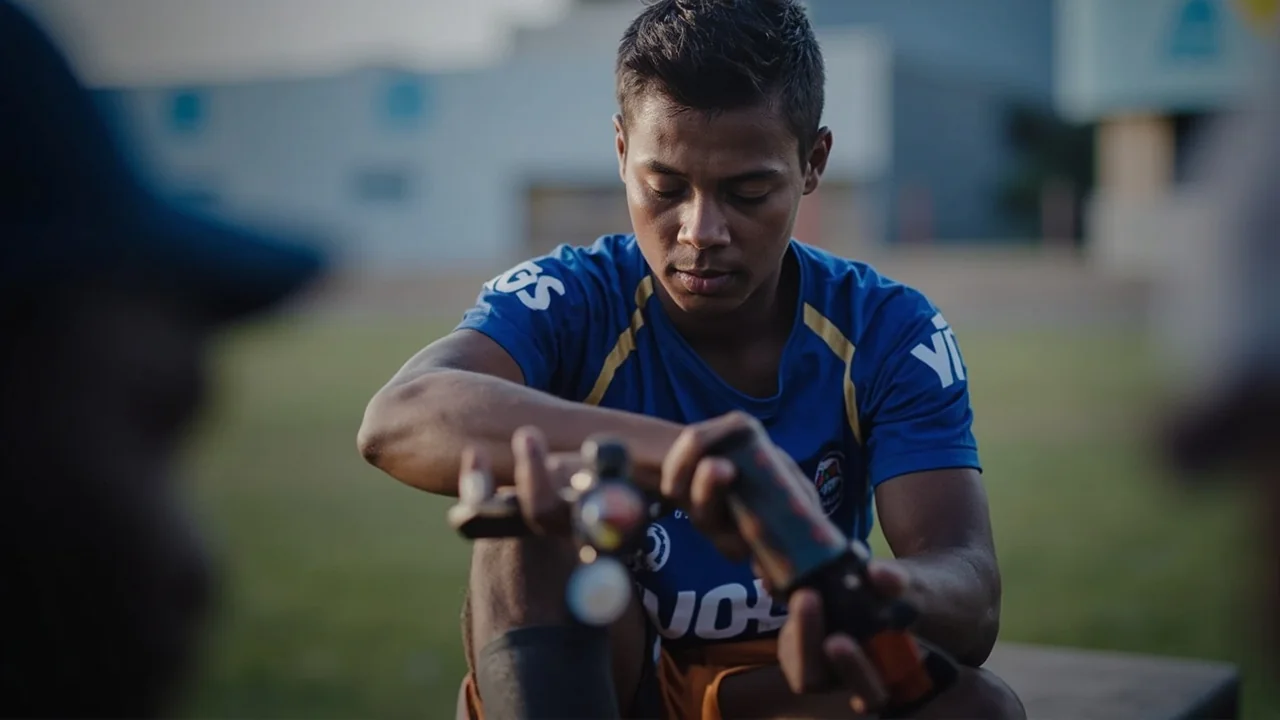
That ceiling-floor split is the simplest way to explain the 71/29 win probability without leaning on either side's batting depth as the sole explanation. Aries at home with a settled middle order carries the higher floor; Kochi as defending champions with Vinoop Manoharan and KM Asif carries the higher ceiling. The favourite is the side with the higher floor because T20 outcomes in the 140 to 155 band are decided by fewer big overs than the headline percentages suggest.
Weather, broadcast and what to watch before the toss
The forecast for Thursday evening in Thiruvananthapuram is warm and humid at 25 to 29°C, with high humidity, possible rain threat and moderate wind. The most likely disruption is a brief shower in the first half of the match, which is the kind of rain delay that costs overs but rarely costs a full match at Greenfield. The broadcast is on FanCode, with ball-by-ball commentary, live scorecards and post-match analysis available through the FanCode app and website.
Three things to watch between now and the toss. The first is the probable XI announcement, which is usually published by the tournament site around 30 minutes before the toss. The second is the dew forecast update, which becomes more reliable the closer the start time approaches. The third is the playing surface inspection, which can shift the toss case if the outfield is wetter than expected by the time the captains walk out. None of those three will rewrite the desk's read on the favourite, but each can sharpen the captaincy shortlist.
The fantasy match prep framework, briefly
The wider framework behind the read above is the match prep sequence. Read conditions, filter the squad list, build a small captaincy candidate set, write the captain reason, lock the team before the toss, note three things to watch for the next match. That sequence is the spine of the Fantasy Match Prep guide, which collects the routine alongside the venue index, the toss notes and the format-specific scoring reference. The match preview above is one fixture in the wider sequence; the framework is what carries across the rest of the KCL 2026 schedule.
For fantasy players who want to keep the routine next to the rest of the editorial library, the fantasy cricket tips and habits desk collects the captaincy shortlist, the ownership discipline and the contest-format comparison in one place. The conditions frame above is the per-fixture read; the desk pages underneath it are the criteria the per-fixture read is judged against. The two together are what survive a bad week, more reliably than any single captain pick.