Editorial desk online Independent · Not affiliated with Dream11 Last reviewed: 21 Jul 2026

Fantasy cricket tips: repeatable habits, not hot takes.

Verified: 21 Jul 2026Editorial review: Dream11 Today deskApproach: Habits over predictions

Independent fantasy cricket tips built on role research, ownership discipline and pre-toss checklists. No guaranteed-win language, no countdowns, no team-name templates.

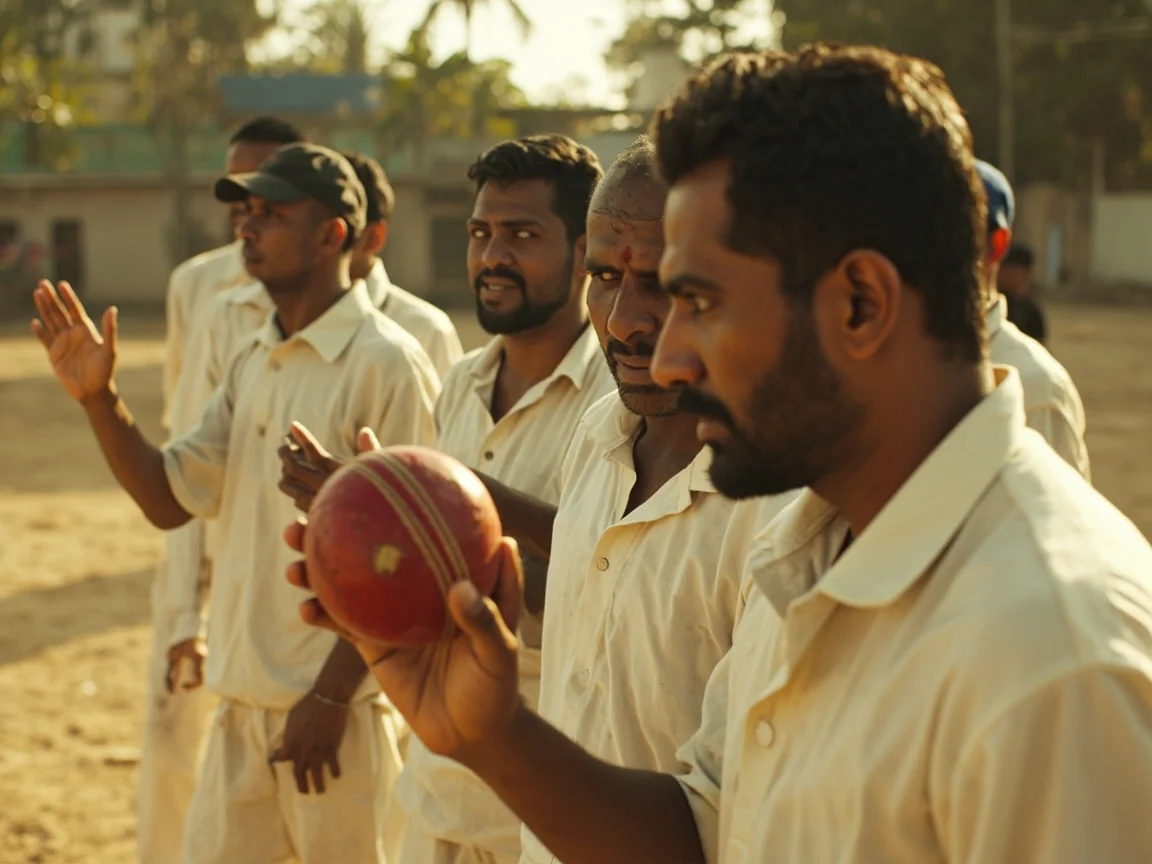
Community cricketers discussing field placement beside a local pitch.

Fantasy cricket tips fall into two camps: prediction tips ("Player X will score big today") and habit tips ("Always verify the playing XI 30 minutes before the toss"). The first camp is brittle — most predictions are wrong most of the time, and the operators' social channels publish them with no accountability. The second camp compounds: habits survive bad weeks; predictions do not.

The advice below is built entirely from the second camp. If you finish reading it and want predictions, you are in the wrong place — and that is the point. Habits produce repeatable results; predictions produce entertainment.

1. Decide the contest before you decide the team

The biggest hidden lever in daily fantasy is contest format. A team built for a head-to-head (ceiling picks, differentiation) is the wrong team for a mega contest (floor picks, ownership awareness). Lock the contest first, then build the team for that format. Doing the reverse — picking the team first, then choosing a contest — produces teams that look great on paper but underperform in the actual scoring environment.

2. Captain from a candidate set, not from the crowd

The most-picked captain is rarely the highest-scoring captain in a given contest. Build a small candidate set of two or three names, write down a one-sentence reason for each, then pick. The discipline of writing the reason is the point — it forces you to evaluate role, expected opportunity, consistency and ownership rather than relying on gut feel or follower count.

3. Cap efficiency is a habit, not a number

Every team has the same salary cap; the skill is in spending it well. Cap efficiency means leaving the obvious big-name on the bench when a cheaper, in-role player fits the team better. Practise cap efficiency on paper before every contest — list the salary of every player, mark the players you would not pick if cost were no object, then look at why you keep including them.

Adult studying cricket player roles at a desk.
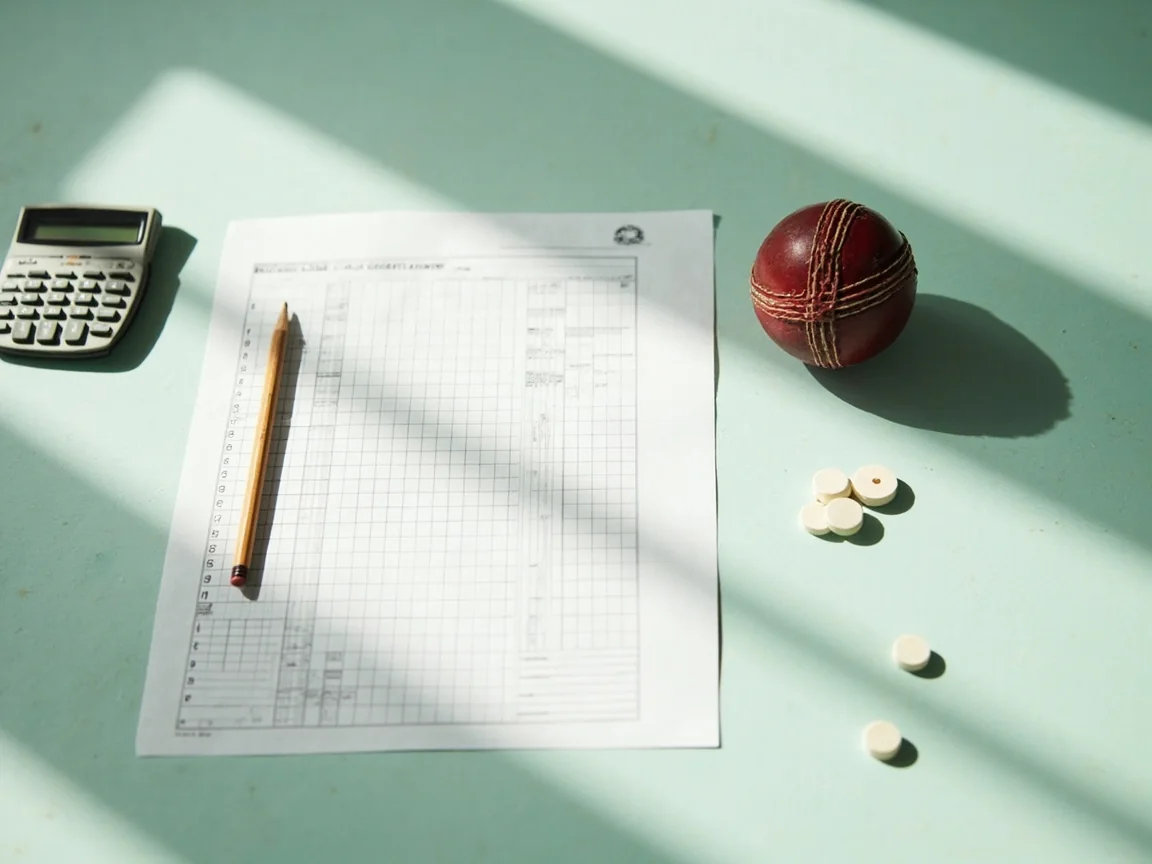
Player-role research is what separates repeatable habits from reactive picks.

4. Read conditions before you read form

Venue dimensions, surface tendency, weather window and dew factor change the captaincy calculus more than form guide does. A green surface rewards seamers; a flat surface rewards batters; a wet outfield rewards aggressive running. Read conditions first; let form inform the choices that survive.

5. Time-box the call

Lock your XI a fixed window before the toss — fifteen minutes is a sensible default. Decisions made after the toss should be rare, small and reversible. Tinkering after the toss is the most common cause of over-reaction: you read a rumour, you swap a player, you make the team worse, you enter the contest anyway.

6. Skip contests on tired or post-loss days

This is the most important habit on the page. Tired brains make worse fantasy decisions; post-loss brains make impulsive decisions. Set a daily limit, set a weekly limit, and step away when you hit either. The platform will still be there tomorrow; the deposit cap you set for yourself is more useful than any captain pick.

7. Track, don't trust memory

Keep a small notebook — paper or digital — of every contest you enter: format, captain, contest size, your team's final rank, what you would change. After ten contests the notebook reveals patterns memory hides. Patterns are how habits improve.


FAQ

Are fantasy cricket tips guaranteed?
No honest source can guarantee fantasy outcomes. The habits below reduce avoidable mistakes; they do not promise wins. Treat any tipster who promises guaranteed results as a marketing channel, not an editorial source.
How do I pick a captain?
Build a small candidate set of two or three names, evaluate each on role, expected opportunity, consistency and ownership, then pick with a one-sentence written reason. See the walkthrough for the full framework.
How much should I deposit?
Treat any deposit as an entertainment spend you cannot afford to lose. Set a hard monthly cap before you start, and stop depositing when you hit it. See the responsible-play guide.

Habits compound — predictions don't.

Read the full walkthrough, the points reference and the responsible-play guide to give the habits a structure to live inside.

Why "hot tips" fail most players

"Hot tips" — predictions that "Player X will score big today" — fail most players because they are not testable, not repeatable and not honest. They are not testable because the predictor has no accountability for the prediction. They are not repeatable because they depend on a single moment in a single match. They are not honest because the predictor has a financial incentive (referral codes, ad revenue, social-media engagement) to make the prediction sound confident regardless of the underlying probability.

The role of variance in fantasy outcomes

Variance is the irreducible randomness in any fantasy outcome: even with perfect captaincy, perfect role coverage and perfect contest-format selection, a single delivery going for six instead of being caught can swing a contest result. Variance is not your enemy; it is the texture of the game. The honest framing is that habits reduce avoidable mistakes; they do not eliminate variance. A player who treats variance as the enemy will over-trade after a bad week; a player who treats variance as the texture will stick to the habits and let the sample size work.

How to evaluate a tipster

A useful tipster publishes: a documented selection framework, not a single prediction; a verifiable track record (contest entries, contest IDs, final ranks); a clear distinction between "I think" and "the data shows"; and a willingness to publish losing records alongside winning ones. A useless tipster publishes: predictions without framework; predictions without track records; predictions that always sound confident; and predictions that conveniently ignore the losing days. If you follow a tipster, evaluate them against this checklist before any paid subscription.

The case for being your own tipster

The case for being your own tipster is the strongest argument in this guide. No tipster knows your monthly budget, your risk tolerance, your appetite for variance, your preferred contest format or your local time zone. No tipster has the same incentive to keep you within your deposit cap. No tipster will be awake at 2am to answer your question about a player-role change. The habits in this guide are designed to let you be your own tipster — and the results compound over a season in a way that no hot-tip subscription can match.

Editorial addendum: a closing reflection

This guide is part of the Dream11 Today editorial library, an independent publication not affiliated with Dream11, Dream Sports or any real-money gaming operator. The desk's purpose is to publish research-first, evidence-led guides that help Indian adults decide whether real-money fantasy fits their situation and, if so, how to navigate the platform's product, legal and account flows with as few avoidable mistakes as possible.

Every guide on this site follows the same editorial standards: claims are sourced where they are not common knowledge; volatile information (bonus terms, scoring rules, legal status) carries a "verified on" stamp and is reviewed within 30 days; commercial links carry rel="sponsored nofollow" and an adjacent disclosure; and the editorial position is unaffected by commercial relationships. The standards apply equally to the most casual beginner guide and to the most technical APK safety walkthrough.

If you have read this far, you are already doing the editorial work the desk exists to encourage. The next step is to apply what you have read: set a deposit cap on day one; bookmark the operator's official channels; bookmark the responsible-play page; keep a notebook of every contest; re-read the standards after every month of play. Habits compound; predictions do not.

For corrections, sourcing questions or disclosure queries, use the contact page. We aim to respond within seven working days. For product support, use the operator's in-app flow (Help → Contact support) — the desk does not have access to the operator's account systems and cannot resolve product issues.

Finally, a reminder: real-money fantasy is entertainment, not income. The platform's rake structure means the average player loses money over time; no honest publication can promise a profit. Treat every contest entry as spent money; set a hard monthly cap; step away the moment the experience stops being fun. If the platform is no longer working for you, the responsible-play guide explains how to opt out cleanly.

A weekly habits checklist

  1. Review last week's contests

    What worked, what didn't, what you would change — write it down.

  2. Update the venue notebook

    Note the latest results, surface colour and dew pattern for each venue.

  3. Refresh the captaincy candidate set

    Drop names that have lost their place in the XI; add names whose role has changed.

  4. Audit your contest-format mix

    Are you entering too many mega contests for your research bandwidth? Too few head-to-heads?

  5. Check your deposit cap status

    How much of this month's cap is left? Do you need to reduce the cap for next month?

  6. Re-read the standards

    The editorial standards apply equally every week; a quick re-read keeps them front of mind.

PLAY NOW